
Microplastics are tiny plastic particles that have become widespread in the environment. They have been found in oceans, rivers, lakes, soil, air, and even remote regions far from major cities. Although plastic products are often designed to last for years, they gradually break down through exposure to sunlight, heat, water, and physical wear. This process releases small plastic fragments that can remain in the environment for decades or longer.
Understanding how microplastics form and where they come from is important for reducing plastic pollution. These particles originate from everyday activities, industrial processes, synthetic materials, and the gradual deterioration of larger plastic objects. Their small size makes them difficult to collect once they enter the environment, allowing them to spread through water, air, and soil.
What Are Microplastics?
Microplastics are generally defined as plastic particles smaller than five millimeters. They range from fragments that are visible to the naked eye to microscopic particles that require specialized equipment to detect.
Scientists commonly distinguish between two main types of microplastics: primary and secondary microplastics.
Primary microplastics are manufactured at microscopic or small sizes for specific purposes. Examples include plastic particles used in certain industrial applications and plastic pellets that serve as raw materials for manufacturing.
Secondary microplastics form when larger plastic objects break apart into smaller pieces. Plastic packaging, discarded bottles, fishing nets, synthetic clothing, and other products can gradually release these particles as they deteriorate or experience repeated friction.
Both types can enter natural environments, but secondary microplastics are particularly associated with the widespread breakdown of plastic waste.

How Microplastics Form
Microplastics form through several physical, chemical, and mechanical processes. These processes can occur simultaneously, gradually transforming larger plastic objects into increasingly smaller particles.
1. Sunlight Breaks Down Plastic
Sunlight is one of the most important factors in the deterioration of plastic exposed outdoors. Ultraviolet (UV) radiation can damage the chemical bonds in many plastic polymers, causing changes that make the material weaker and more brittle.
As plastic becomes brittle, it is more likely to crack, flake, and fragment when exposed to wind, waves, or other physical forces. A plastic bag left outside, for example, may gradually become fragile and break into smaller pieces.
This process, known as photodegradation, does not necessarily turn plastic directly into microscopic particles. Instead, it weakens the material and makes further fragmentation easier.
2. Mechanical Wear Breaks Plastic Into Smaller Pieces
Plastic objects experience continuous physical stress in the environment. Waves push discarded packaging against rocks, sand wears down plastic fragments, and repeated movement causes materials to rub against one another.
These forces gradually break larger objects into smaller pieces. In rivers and oceans, plastic debris may be transported over long distances while being exposed to currents, sediment, and other materials.
Mechanical wear also occurs in everyday settings. Plastic containers may deteriorate through repeated use, while synthetic fabrics release tiny fibers during washing, drying, and normal wear.
Over time, the combined effects of friction, impact, and pressure can produce large quantities of microplastic particles.
3. Heat and Weathering Weaken Plastic
Temperature changes can contribute to plastic deterioration. Repeated heating and cooling may cause some materials to expand and contract, placing stress on their structure.
Heat can also accelerate certain chemical reactions involved in degradation, particularly when combined with sunlight and oxygen. However, the effects depend on the type of plastic, its additives, and the surrounding environmental conditions.
Outdoor plastic products exposed to years of changing weather may eventually become cracked and fragile. Once weakened, they can fragment more easily through ordinary physical contact.
4. Chemical and Biological Processes Contribute to Degradation
Plastic can undergo chemical changes when it reacts with oxygen, water, and other environmental substances. Oxidation and hydrolysis can alter the structure of certain polymers, making them more susceptible to deterioration.
Some microorganisms can also interact with plastic surfaces and form biofilms. Under specific conditions, certain microbes and enzymes can break down particular plastics or their chemical components.
However, most conventional plastics do not biodegrade rapidly under ordinary environmental conditions. Microorganisms may colonize a plastic surface without substantially decomposing the material itself.
These processes can contribute to deterioration, but the fragmentation of conventional plastic waste is generally driven by a combination of weathering and physical forces.
Where Do Microplastics Come From?
Microplastics originate from numerous sources, many of which are connected to everyday activities. Some particles are released directly during the use or manufacture of products, while others develop as discarded plastic gradually breaks apart.
1. Plastic Packaging and Household Waste
Plastic packaging is a major source of plastic pollution. Bottles, bags, food wrappers, takeaway containers, and disposable packaging can enter the environment when waste is improperly managed or escapes collection and recycling systems.
Once exposed to sunlight, wind, water, and physical wear, these items can gradually fragment into smaller pieces.

Even when plastic waste is collected, handling, transport, and recycling processes may release particles if appropriate controls are not in place. Poorly managed waste sites can also allow plastic fragments to spread into nearby soil and waterways.
Reducing unnecessary packaging, improving waste collection, and preventing litter from reaching the environment can help limit this source of microplastics.
2. Synthetic Clothing and Textile Fibers
Many modern clothes are made partly or entirely from synthetic materials such as polyester, nylon, acrylic, and elastane. These materials are forms of plastic.
During washing, drying, and normal use, small fibers can detach from fabrics. Washing machines may carry some of these fibers into wastewater, where treatment systems capture a proportion of them. Others can pass through treatment processes or enter the environment through wastewater-related pathways.
Synthetic textile fibers may also be released when clothes are worn, brushed, or dried. Airborne fibers can settle on indoor surfaces or become suspended in the atmosphere before eventually reaching soil and water.
Choosing durable clothing, following appropriate care instructions, and using effective filtration where available can help reduce fiber release.
3. Vehicle Tires and Road Traffic
Vehicle tires wear down as they move across road surfaces. This friction produces small particles containing a mixture of tire material and other substances.
These particles can include synthetic rubber, which is a polymer, along with natural rubber and various additives. Tire wear is therefore an important source of microplastic-related pollution, although tire particles are complex mixtures rather than pure plastic.
Particles released on roads can accumulate in roadside dust or be transported by wind and rain into stormwater drains, streams, and other waterways.
Reducing unnecessary driving, maintaining vehicles properly, and improving road runoff management can help limit the environmental spread of tire-wear particles.
4. Paints and Protective Coatings
Paints and coatings used on buildings, roads, bridges, ships, and industrial equipment can release small particles as they deteriorate.
Many modern coatings contain synthetic polymers that help provide durability, adhesion, and resistance to weather. Over time, exposure to sunlight, moisture, abrasion, and temperature changes can cause these coatings to wear away.
Road markings and marine coatings can also contribute to the release of polymer-containing particles. When these materials are removed during maintenance or renovation, dust and fragments may enter nearby soil or water if they are not properly contained.
Careful maintenance, responsible removal practices, and effective waste management can reduce the spread of these particles.
5. Fishing Gear and Marine Activities
Plastic fishing nets, ropes, lines, buoys, and other marine equipment are exposed to demanding conditions. Sunlight, saltwater, waves, and repeated mechanical stress gradually weaken these materials.
Lost or discarded fishing gear can continue to release plastic fragments as it deteriorates. Ropes and nets made from synthetic fibers may also shed small strands during use and handling.
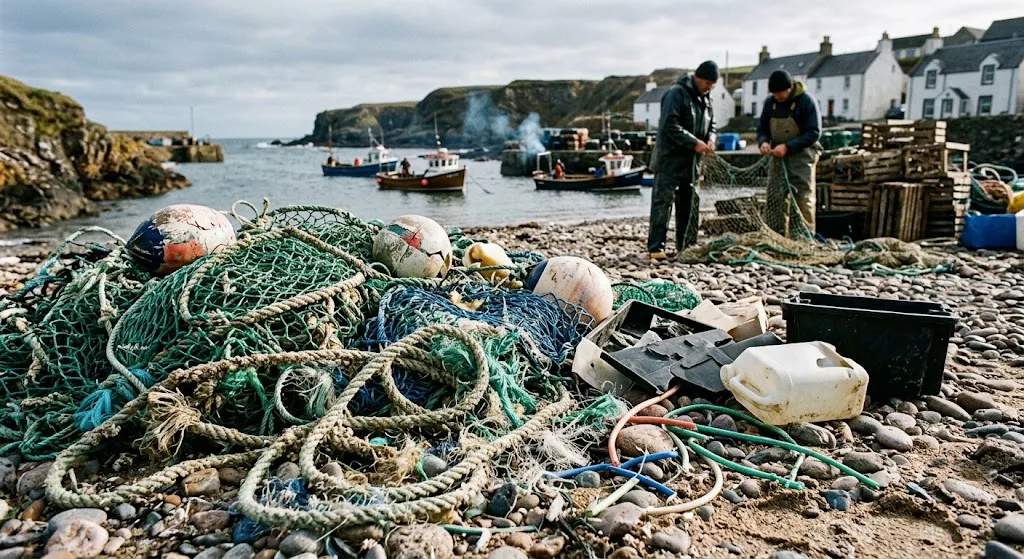
Because marine equipment can remain in the environment for extended periods, its gradual breakdown can contribute to persistent pollution in coastal waters and marine habitats.
Better equipment maintenance, collection programs, and the proper disposal of damaged fishing gear can help address this source.
6. Industrial Plastic Pellets and Manufacturing
Plastic manufacturers commonly transport small pellets, flakes, or powders that serve as raw materials for producing plastic products. These materials can be released during manufacturing, packaging, storage, or transportation if containment measures fail.
Industrial spills may allow plastic pellets to reach drainage systems, rivers, beaches, and coastal waters. Unlike particles that form through the breakdown of larger objects, these small plastic materials already exist in their final or near-final particle form before entering the environment.
Improved handling procedures, secure storage, effective filtration, and prompt spill cleanup can reduce these releases.
7. Agricultural Plastics
Agriculture uses plastic materials for purposes such as covering soil, protecting crops, constructing greenhouses, and carrying water through irrigation systems.
Plastic mulch films, irrigation pipes, and protective covers may deteriorate after repeated exposure to sunlight, heat, moisture, and mechanical stress. If fragments remain in fields, they can accumulate in agricultural soil.
Plastic particles may also be introduced through contaminated compost, sewage sludge, or other soil amendments, depending on how those materials are produced and treated.
Careful removal of agricultural plastics, improved collection systems, and alternatives suited to local conditions can help reduce this source of contamination.
8. Personal Care and Cleaning Products
Some products have historically contained plastic microbeads for exfoliation or other functions. These particles can enter wastewater when products are rinsed away.
Regulations in many places have restricted or prohibited certain uses of plastic microbeads, particularly in rinse-off cosmetics. However, the rules vary by jurisdiction and product type, and other sources of microplastics remain widespread.

It is important to distinguish plastic microbeads from natural exfoliating ingredients such as ground plant materials or mineral particles, which are not necessarily plastics.
Checking product ingredients and following local regulations can help consumers make informed choices.
How Microplastics Spread Through the Environment
Once released, microplastics do not necessarily remain where they originated. Their movement depends on particle size, shape, density, weather conditions, and the characteristics of the surrounding environment.
Microplastics in Water
Rainwater can wash plastic fragments from roads, streets, and fields into storm drains and rivers. Wastewater can transport textile fibers and other particles from households and industrial facilities into treatment plants and, in some cases, receiving waters.
Rivers can carry these particles toward lakes, estuaries, and oceans. Some particles float near the surface, while others sink, become trapped in sediments, or attach to organic matter and other particles.
Ocean currents can redistribute microplastics across large distances, making plastic pollution an international environmental problem.
Microplastics in Soil
Soil can receive microplastics from deteriorating plastic waste, agricultural films, contaminated organic materials, and airborne deposition.
Once in the soil, particles may move through the action of rainwater, erosion, soil organisms, and agricultural activities. Some remain near the surface, while others can move into deeper layers under certain conditions.
The long-term effects depend on the types and concentrations of particles, the properties of the soil, and the organisms living in it.
Microplastics in the Air
Small plastic particles and fibers can become airborne through road traffic, textile wear, industrial activity, waste handling, and the disturbance of contaminated soil.
Wind can transport some of these particles beyond their original sources. They may eventually settle on buildings, vegetation, land, or water, while others can be removed from the atmosphere by rainfall.
Airborne microplastics have been detected in both urban and remote environments, demonstrating that their distribution is not limited to places where plastic is manufactured or discarded.
Why Microplastics Are Difficult to Remove
Microplastics are difficult to manage because they vary widely in size, shape, composition, and behavior. Larger fragments may be collected using conventional waste-management methods, but microscopic particles can be much harder to separate from water, soil, and sediment.
Wastewater treatment plants can remove a substantial proportion of microplastics under many operating conditions, but removal is not complete. Some captured particles accumulate in sewage sludge, which may subsequently be managed or applied to land depending on local practices and regulations.
In natural environments, collecting microscopic particles without disturbing ecosystems can be technically challenging and expensive. Once plastic fragments become dispersed through sediments or soils, separating them from natural materials becomes especially difficult.
Furthermore, plastic does not always disappear when it breaks apart. Fragmentation can produce progressively smaller particles, including nanoplastics, which are generally defined as plastic particles smaller than one micrometer, although definitions can vary across scientific studies.
What Are the Environmental and Health Concerns?
Microplastics have been detected in numerous environmental settings and in a variety of organisms. Animals may ingest particles while feeding, drinking, or filtering water, and particles can affect organisms through physical interactions or through chemicals associated with the plastic.
Potential effects depend on particle size, shape, polymer type, concentration, exposure duration, and the characteristics of the organism. Researchers are investigating possible consequences for feeding, growth, reproduction, inflammation, and other biological processes.

Human exposure can occur through food, drinking water, and inhalation. Scientists have detected microplastics in some human biological samples, but important questions remain about the levels of exposure, the behavior of particles in the body, and the health effects at typical real-world exposure levels.
The presence of microplastics does not automatically mean that a particular exposure will cause disease. More research is needed to establish which particles, exposure levels, and pathways pose meaningful risks to human health.
Nevertheless, preventing avoidable plastic pollution is a reasonable environmental priority because plastic waste can persist, spread, and affect ecosystems even while the full implications of microplastic exposure continue to be studied.
How Can Microplastic Pollution Be Reduced?
No single action can eliminate microplastics, because they originate from many different sources. Effective prevention requires changes in product design, industrial practices, waste management, transportation, and everyday behavior.
Several practical measures can help:
- Reduce unnecessary single-use plastics. Reusable products can reduce the amount of plastic waste generated when they are used and maintained appropriately.
- Improve textile care. Durable fabrics, suitable washing practices, and effective microfiber filters can reduce the release of synthetic fibers.
- Prevent plastic waste from escaping. Reliable collection, secure storage, and well-managed recycling systems help keep plastic out of rivers and soil.
- Control industrial releases. Manufacturers can use containment procedures and filtration systems to prevent plastic pellets and powders from escaping.
- Manage road runoff. Better drainage and treatment systems can capture some tire-wear particles before they enter waterways.
- Maintain agricultural plastics responsibly. Collecting damaged films and irrigation components prevents fragments from accumulating in fields.
- Improve scientific monitoring. Standardized methods help researchers compare results and identify the most effective pollution-prevention strategies.
Governments and businesses also play an important role by improving product standards, supporting research, and designing systems that reduce plastic releases throughout a product’s life cycle.
Conclusion
Microplastics form when larger plastic materials gradually deteriorate or when small plastic particles are released directly through manufacturing and everyday activities. Sunlight, mechanical wear, temperature changes, and chemical processes can weaken plastic, allowing it to fragment into increasingly smaller pieces.
Their sources include packaging, synthetic textiles, vehicle tires, paints, fishing equipment, industrial plastic pellets, and agricultural materials. Once released, these particles can travel through water, air, and soil, reaching environments far from their original sources.
Because microplastics are difficult to remove after they become widely dispersed, prevention is one of the most effective ways to address the problem. Reducing avoidable plastic waste, controlling industrial releases, improving filtration, and managing products responsibly can all help limit the formation and spread of these persistent environmental pollutants.
Understanding where microplastics come from is the first step toward developing practical solutions that protect ecosystems and reduce unnecessary environmental contamination.