Spain is a country of remarkable contrasts, where historic cities, beautiful beaches, lively markets, and centuries-old traditions come together. While Madrid and Barcelona attract millions of visitors each year, some of the country’s most memorable destinations lie beyond these famous cities.
From the Moorish architecture of Andalusia to the green landscapes of northern Spain, each region offers a different perspective on Spanish culture. You can explore medieval streets, admire world-famous landmarks, enjoy fresh seafood by the coast, or spend an afternoon discovering local traditions in a historic town.

If you’re planning a trip to Spain and want to experience more than its two biggest cities, these 12 destinations deserve a place on your itinerary.
1. Seville: The Heart of Andalusian Culture
Seville is one of the most beautiful cities in southern Spain, known for its elegant architecture, lively plazas, and deep connection to Andalusian traditions.
The city’s historic center is a wonderful place to explore on foot. The Royal Alcázar of Seville, a magnificent palace complex featuring intricate Moorish and Mudéjar designs, is one of its most impressive attractions. Nearby, the Seville Cathedral and its famous Giralda tower offer another glimpse into the city’s remarkable history.
The Santa Cruz neighborhood is especially charming, with narrow streets, hidden courtyards, and traditional tapas bars. Visitors can also enjoy flamenco performances, explore the Plaza de España, and relax along the Guadalquivir River.
Seville is an excellent destination for travelers interested in architecture, history, and authentic Andalusian culture.
2. Valencia: Beaches, Culture, and Modern Architecture
Valencia combines the charm of a historic Mediterranean city with contemporary architecture and a relaxed coastal atmosphere.
One of its most recognizable attractions is the City of Arts and Sciences, a striking architectural complex that includes museums, an aquarium, and other cultural spaces. The historic center offers a different experience, with Gothic buildings, lively markets, and beautiful squares.
Valencia is also famous as the birthplace of paella. Visitors can enjoy traditional versions of the dish at local restaurants, particularly around the Albufera area, where rice fields and wetlands create a distinctive landscape.
With sandy beaches, green parks, and a thriving food scene, Valencia is an appealing destination for both short city breaks and longer holidays.
3. Granada: The Beauty of the Alhambra
Granada is one of Spain’s most enchanting cities, set against the dramatic backdrop of the Sierra Nevada mountains.
Its greatest attraction is the Alhambra, a magnificent palace and fortress complex that reflects the artistic achievements of Moorish Spain. The intricate decorations, peaceful courtyards, and views over the city make it one of the country’s most unforgettable historic sites.
The Albaicín neighborhood is another highlight, with narrow cobbled streets, whitewashed houses, and traditional tea shops. From the Mirador de San Nicolás, visitors can enjoy spectacular views of the Alhambra, particularly at sunset.
Granada is also known for its lively atmosphere, historic university, and distinctive food culture. It is an ideal destination for travelers who appreciate history, architecture, and beautiful mountain scenery.
4. Málaga: A Mediterranean City with Artistic Spirit
Málaga is much more than a beach destination. Located on the Costa del Sol, it offers a rich cultural scene, historic landmarks, and a relaxed Mediterranean lifestyle.
The city’s historic center is filled with pedestrian streets, lively plazas, and traditional restaurants. Visitors can explore the Alcazaba, a Moorish fortress overlooking the city, or climb toward Gibralfaro Castle for panoramic views of the coastline.

Málaga is also the birthplace of Pablo Picasso, and the Picasso Museum provides an opportunity to discover the artist’s work in the city where he grew up.
Beyond its museums and monuments, Málaga offers sandy beaches, seaside promenades, and a thriving food scene. It is a wonderful choice for travelers seeking a balance of culture, sunshine, and coastal relaxation.
5. Córdoba: A Journey Through Spanish History
Córdoba is a city where different cultural influences come together in a remarkably beautiful historic setting.
Its most famous landmark is the Mosque-Cathedral of Córdoba, an extraordinary building known for its rows of arches and intricate architectural details. The monument reflects the city’s long and complex history and remains one of Spain’s most impressive places to visit.
The historic center is equally captivating. Visitors can wander through narrow streets, discover traditional courtyards filled with flowers, and explore the old Jewish Quarter.
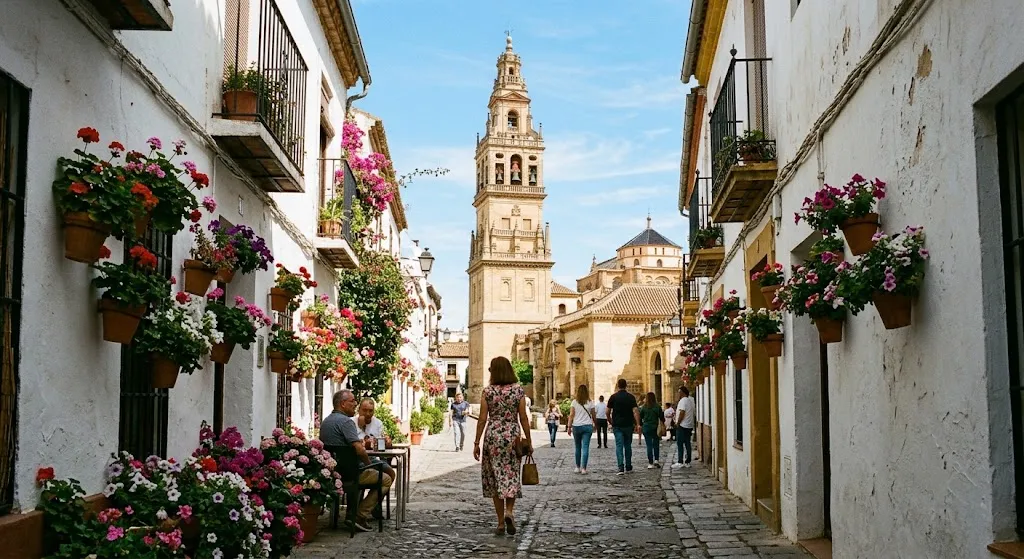
Córdoba is especially attractive in spring, when its patios become colorful displays of flowers and local residents celebrate the city’s courtyard traditions.
For travelers interested in Spanish history, architecture, and quieter city breaks, Córdoba is an excellent addition to any itinerary.
6. San Sebastián: Coastal Beauty and Exceptional Food
San Sebastián, known in Basque as Donostia, is one of northern Spain’s most elegant coastal destinations.
The city is famous for La Concha Beach, a beautiful crescent-shaped bay surrounded by green hills and elegant waterfront buildings. Visitors can swim during warmer months, walk along the promenade, or climb Monte Igueldo for sweeping coastal views.
San Sebastián is also celebrated for its food. The Old Town is packed with pintxos bars, where visitors can sample small Basque dishes alongside local drinks. The city has an outstanding reputation for fine dining as well, making it especially appealing to food lovers.
With its combination of beaches, culture, and culinary excellence, San Sebastián offers a memorable experience in Spain’s Basque Country.
7. Bilbao: A Modern City with Basque Character
Bilbao has transformed itself into one of northern Spain’s most interesting urban destinations while maintaining a strong connection to its Basque identity.
The Guggenheim Museum Bilbao is the city’s most famous landmark. Designed by architect Frank Gehry, its striking titanium-covered exterior has become a symbol of modern architecture.
However, Bilbao offers much more than contemporary art. The Casco Viejo, or Old Town, features historic streets, traditional shops, and lively plazas. Visitors can also explore the city’s markets, walk beside the Nervión River, and enjoy Basque cuisine at local restaurants.
Bilbao is an excellent destination for travelers who enjoy art, architecture, and urban culture, with easy access to the beautiful landscapes of northern Spain.
8. Santiago de Compostela: A Historic Pilgrimage City
Santiago de Compostela is one of Spain’s most atmospheric historic cities, famous as the final destination of the Camino de Santiago pilgrimage routes.
The city’s magnificent cathedral stands at the heart of its historic center. Its surrounding squares and stone streets create a memorable setting, especially when pilgrims arrive after completing their journeys.
Santiago is also known for its traditional Galician architecture, lively university atmosphere, and distinctive regional cuisine. Seafood, local cheeses, and the famous almond cake known as tarta de Santiago are among the specialties worth trying.
The city is particularly appealing to travelers who appreciate history, spirituality, and a slower pace of travel. Even without completing a pilgrimage, visitors can enjoy the sense of history and community that makes Santiago so special.
9. Zaragoza: An Underrated City of Architecture and Culture
Zaragoza is one of Spain’s most overlooked destinations, offering impressive historic landmarks without the crowds found in many better-known cities.
Located along the Ebro River, the city is famous for the Basilica of Our Lady of the Pillar, a monumental church with striking domes and a beautiful riverside setting.
Another highlight is the Aljafería Palace, an extraordinary example of Islamic architecture in Spain. The historic center also features Roman remains, traditional streets, and lively squares.
Zaragoza has a strong local food culture, with tapas bars and restaurants serving regional specialties. Its central location makes it a convenient stop between Madrid and Barcelona, although the city deserves more than a brief visit.
10. Girona: Medieval Streets and Catalan Charm
Girona is a beautiful historic city in Catalonia, known for its medieval architecture, colorful riverside houses, and atmospheric old town.
The city’s historic center is filled with narrow streets, stone staircases, and charming squares. Its cathedral, with its impressive staircase and broad Gothic nave, is one of the most recognizable landmarks.
The old Jewish Quarter is another highlight, offering a fascinating glimpse into Girona’s past. Visitors can also walk along the medieval city walls for views over the rooftops and surrounding countryside.
Girona is especially appealing to travelers who enjoy history, photography, and quieter destinations. It can also serve as a base for exploring the Costa Brava, with its beautiful beaches and coastal villages.
11. Cádiz: Ancient History and Atlantic Beaches
Cádiz is one of the oldest continuously inhabited cities in Western Europe, with a history that stretches back thousands of years.
Located on a narrow peninsula along Spain’s Atlantic coast, the city offers a distinctive combination of historic architecture, ocean views, and relaxed seaside life.
Visitors can explore the old town, admire Cádiz Cathedral, and walk along the waterfront promenades. The city’s beaches are among its greatest attractions, particularly La Caleta, a picturesque beach framed by historic fortifications.
Cádiz is also famous for its seafood, traditional tapas, and lively Carnival celebrations. It is an excellent destination for travelers who want to experience a different side of Andalusia, away from the larger inland cities.
12. Toledo: A Medieval City of Three Cultures
Toledo is one of Spain’s most remarkable historic destinations, perched on a hill above the Tagus River.
Often associated with the coexistence of Christian, Muslim, and Jewish traditions, the city has an extraordinary architectural heritage. Its historic center is a maze of narrow streets, medieval buildings, and beautiful viewpoints.
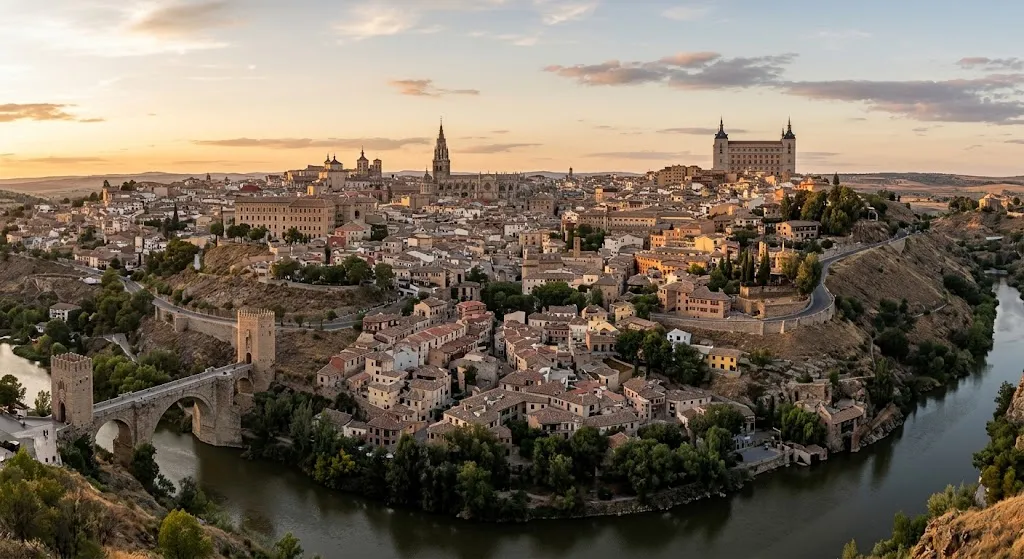
The Toledo Cathedral is one of the city’s most impressive monuments, while the Alcázar dominates the skyline. Visitors can also explore historic synagogues, traditional workshops, and museums dedicated to the city’s artistic heritage.
Toledo is particularly famous for its association with the painter El Greco, whose work can be discovered in several local museums and churches.
The city is an excellent choice for travelers interested in medieval history and architecture. Its proximity to Madrid also makes it a convenient destination for a day trip or a longer stay.
How to Choose the Best Cities for Your Spain Trip
Spain offers so much variety that choosing the right destinations depends on the type of experience you want.
| Travel interest | Recommended cities |
|---|---|
| History and architecture | Granada, Córdoba, Toledo |
| Beaches and coastal scenery | Valencia, Málaga, San Sebastián, Cádiz |
| Food and local culture | Seville, San Sebastián, Bilbao |
| Art and modern architecture | Málaga, Bilbao, Valencia |
| Medieval charm | Girona, Santiago de Compostela, Toledo |
| Less crowded city breaks | Zaragoza, Córdoba, Girona |
If you have one week in Spain, consider combining a few destinations within the same region rather than trying to visit the entire country. For example, Seville, Córdoba, and Granada make a wonderful Andalusian itinerary, while Valencia and Málaga offer a mix of city sightseeing and coastal relaxation.
For a longer trip, northern Spain provides an entirely different experience, with green landscapes, distinctive regional traditions, and a cooler Atlantic climate.
Practical Tips for Visiting Spain
The best time to visit Spain is generally spring (April–May) and autumn (September–October), when temperatures are pleasant for sightseeing. High-speed trains, regional rail services, and buses make traveling between major cities relatively easy, while rental cars are useful for exploring smaller towns and coastal areas.
Plan to spend at least two days in most destinations, book popular attractions such as Granada’s Alhambra in advance, and reserve accommodation early during peak travel seasons. For a smoother trip, combine cities within the same region rather than trying to visit all 12 destinations at once.
Key Takeaways
- Spain offers many incredible destinations beyond Madrid and Barcelona, each with its own character and attractions.
- Seville, Granada, and Córdoba are ideal for exploring Andalusian history, architecture, and culture.
- Valencia, Málaga, Cádiz, and San Sebastián are excellent choices for beaches and coastal experiences.
- Bilbao, Girona, Toledo, Zaragoza, and Santiago de Compostela offer impressive architecture, history, and regional traditions.
- Spring and autumn are generally the best seasons for comfortable sightseeing.
- Spain’s extensive train and bus networks make exploring multiple cities relatively easy.
- Planning a regional itinerary and allowing enough time in each destination can make your Spanish holiday more enjoyable.
Final Thoughts
The best cities to visit in Spain extend far beyond Madrid and Barcelona. Each of these 12 destinations offers something distinctive, whether it is the Moorish palaces of Granada, the beaches of San Sebastián, the historic streets of Toledo, or the artistic energy of Bilbao.
Exploring these cities allows travelers to discover Spain’s regional diversity and experience the traditions that make each part of the country unique.
Whether you’re planning your first visit or returning to explore more deeply, these destinations offer plenty of reasons to travel beyond the familiar tourist route and discover a different side of Spain.
Frequently Asked Questions
Seville, Valencia, Granada, Málaga, Córdoba, and San Sebastián are among the best alternatives, offering history, beaches, architecture, and excellent food.
A week is enough to visit three or four cities in one region, while a two-week trip allows you to explore several different parts of the country.
April, May, September, and October are generally ideal for sightseeing, thanks to comfortable temperatures and fewer summer crowds.
Yes. Spain has an extensive train and bus network, and many major destinations are well connected by public transportation.
Seville, Valencia, Granada, and Málaga are excellent choices for first-time visitors looking for a combination of culture, history, food, and beautiful scenery.
Sources
- Spain Official Tourism Website – Destinations and Travel Information
- Renfe – Spain’s National Railway Network
- Spain Convention Bureau – Spanish City Destinations
- UNESCO World Heritage Centre – Historic Sites in Spain