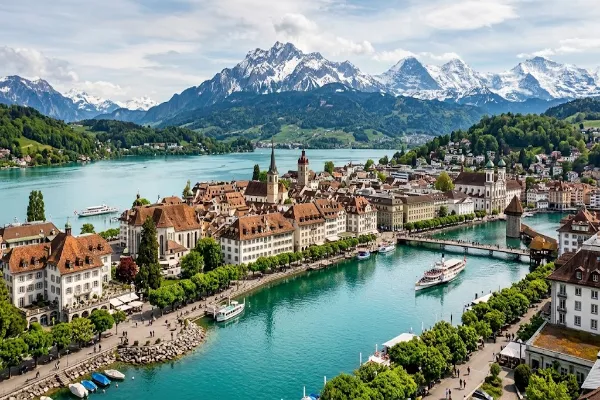
Europe is home to some of the world’s most famous travel destinations, from the romantic streets of Paris to the historic landmarks of Rome and the canals of Venice. While these cities deserve their popularity, they are far from the only places worth visiting. Across the continent, countless smaller cities and lesser-known destinations offer beautiful architecture, fascinating history, incredible food, and memorable cultural experiences without the overwhelming crowds.
The best underrated cities in Europe include Ljubljana, Ghent, Plovdiv, Sarajevo, Brno and Sibiu, which offer historic centers and local culture with far fewer crowds than Paris, Rome or Barcelona.
For travelers willing to look beyond the usual tourist hotspots, these underrated European cities can provide a more authentic and rewarding experience. Some feature medieval old towns, others combine modern culture with historic charm, and a few offer spectacular natural scenery just beyond their city centers.
Whether you are planning a weekend getaway or a longer European adventure, these destinations deserve a place on your travel list.
1. Ljubljana, Slovenia
Ljubljana is one of Europe’s most charming capitals, yet it remains surprisingly overlooked compared with nearby destinations such as Vienna, Venice, and Budapest.
The city is known for its picturesque riverside setting, elegant bridges, colorful buildings, and relaxed atmosphere. Its pedestrian-friendly historic center makes exploring particularly enjoyable, with cafés, independent shops, and restaurants lining the Ljubljanica River.
Ljubljana Castle sits above the city and offers beautiful panoramic views. Visitors can also explore Tivoli Park, discover the famous Triple Bridge, and enjoy the lively atmosphere of the central market.

One of Ljubljana’s greatest advantages is its location. Lake Bled, the Julian Alps, and other beautiful Slovenian landscapes are all accessible for day trips.
Why visit: A peaceful European capital with beautiful architecture, excellent food, and easy access to nature.
2. Ghent, Belgium
Many visitors traveling to Belgium head straight to Brussels or Bruges, overlooking Ghent despite its remarkable historic character.
Ghent combines medieval architecture with a vibrant contemporary atmosphere. Its historic center features impressive Gothic buildings, picturesque canals, cobblestone streets, and charming squares.
The Gravensteen Castle is one of the city’s most recognizable landmarks. Dating back to the Middle Ages, this impressive fortress offers a fascinating look into the region’s history. Nearby, Saint Bavo’s Cathedral houses the famous Ghent Altarpiece, an important masterpiece of European art.

Unlike some heavily visited historic destinations, Ghent also feels like a living city. Its student population contributes to a lively cultural scene, with independent restaurants, galleries, music venues, and welcoming cafés.
Why visit: Medieval beauty, remarkable cultural attractions, and a lively local atmosphere.
3. Plovdiv, Bulgaria
Plovdiv is one of the oldest continuously inhabited cities in Europe and remains one of the continent’s most underrated cultural destinations.
Its history stretches back thousands of years, and evidence of different civilizations can be found throughout the city. The Roman Theatre, one of its most impressive landmarks, is particularly remarkable because it remains well preserved and is still used for performances.
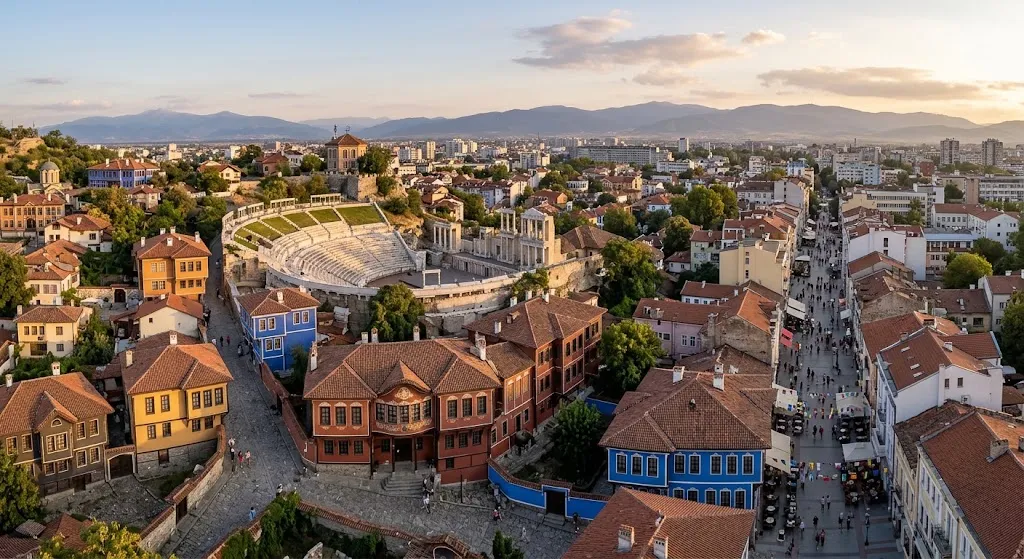
The Old Town is another highlight. Its colorful 19th-century houses, narrow cobbled streets, traditional architecture, and artistic atmosphere create a distinctive setting for exploring on foot.
Kapana, the city’s creative district, offers a different experience, with contemporary galleries, street art, boutique shops, restaurants, and cafés.
Plovdiv is also relatively affordable compared with many Western European destinations, making it attractive for travelers seeking cultural experiences without excessive spending.
Why visit: Ancient history, beautiful architecture, creative neighborhoods, and excellent value for money.
4. Porto, Portugal
Although Porto has become increasingly popular, it still receives less international attention than Lisbon and remains an excellent alternative for travelers seeking a distinctive Portuguese experience.
Located along the Douro River, Porto is famous for its colorful riverside buildings, historic churches, traditional cuisine, and port wine heritage.
The Ribeira district is one of the city’s most attractive areas, with narrow streets, traditional houses, and restaurants overlooking the water. The Dom Luís I Bridge provides spectacular views, particularly around sunset.

Visitors should also explore São Bento railway station, known for its beautiful blue-and-white tile panels, and the Livraria Lello bookstore, which attracts architecture and literature enthusiasts.
Porto is an excellent destination for travelers who enjoy combining history, food, architecture, and coastal scenery.
Why visit: Authentic Portuguese culture, beautiful river views, distinctive architecture, and outstanding food.
5. Sarajevo, Bosnia and Herzegovina
Sarajevo is a city where different cultures, religions, and historical periods come together in a particularly fascinating way.
Often called the Jerusalem of Europe, Sarajevo has a distinctive cultural identity shaped by Ottoman, Austro-Hungarian, and Yugoslav influences.
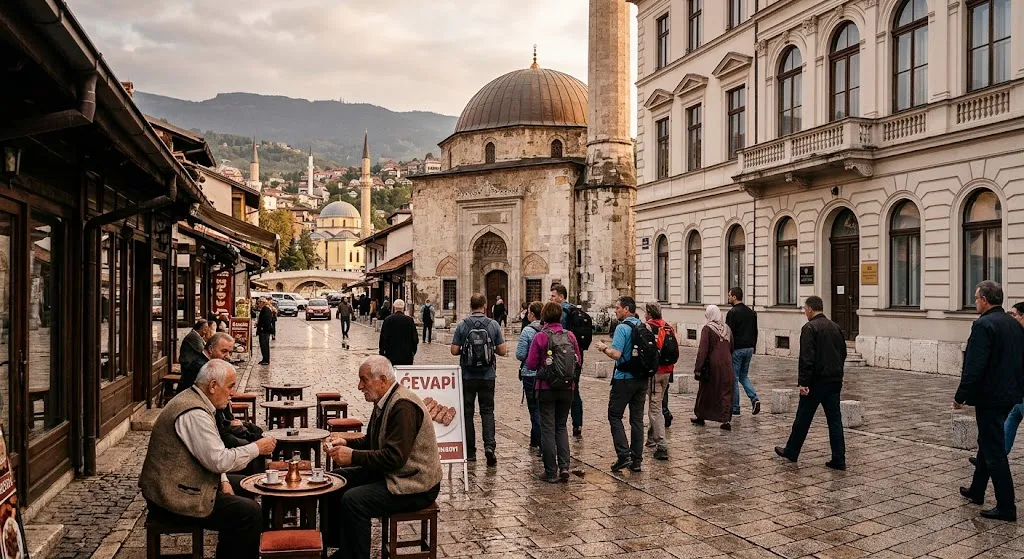
The Baščaršija old bazaar is an excellent starting point. Its traditional shops, historic mosques, small cafés, and cobbled streets create an atmosphere that feels different from almost anywhere else in Europe.
Visitors can explore the Latin Bridge, the Gazi Husrev-beg Mosque, and the Tunnel of Hope Museum to better understand the city’s complex past.
Sarajevo is also known for its welcoming hospitality and traditional cuisine. Local specialties such as ćevapi, burek, and Bosnian coffee are essential parts of the experience.
Why visit: A unique cultural blend, fascinating history, memorable food, and genuine hospitality.
6. Brno, Czech Republic
Prague attracts millions of visitors, but Brno offers an alternative for travelers interested in Czech culture without the same level of tourist activity.
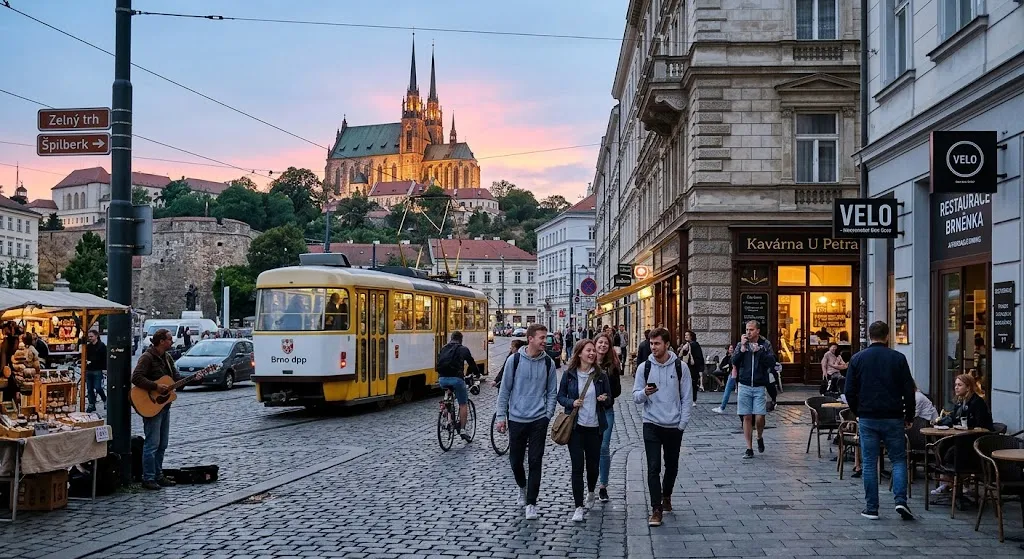
As the country’s second-largest city, Brno combines historic architecture with a modern, energetic atmosphere.
The Cathedral of St. Peter and Paul dominates the skyline, while Špilberk Castle offers beautiful views and an interesting insight into the city’s history. The old town is filled with historic squares, cafés, restaurants, and architectural landmarks.
Brno also has a strong student population, which contributes to its lively nightlife, cultural events, and independent food scene.
Another interesting attraction is Villa Tugendhat, a UNESCO World Heritage Site recognized for its pioneering modernist architecture.
Why visit: An appealing mix of history, modern architecture, affordable dining, and contemporary city life.
7. Kotor, Montenegro
Nestled between dramatic mountains and the Adriatic Sea, Kotor is one of Europe’s most beautiful coastal destinations.
Although it has become increasingly popular among cruise passengers, Kotor remains less familiar to many international travelers than destinations such as Dubrovnik or Split.
Its medieval Old Town is a UNESCO World Heritage Site, featuring narrow stone streets, historic churches, charming squares, and traditional buildings.

One of the most rewarding activities is climbing the historic fortress walls toward San Giovanni Fortress. The journey involves hundreds of steps, but the panoramic views over the Bay of Kotor make the effort worthwhile.
Travelers can also explore nearby Perast, a beautiful coastal settlement known for its waterfront architecture and the island church of Our Lady of the Rocks.
Why visit: Spectacular coastal scenery, medieval architecture, and a memorable Mediterranean atmosphere.
8. Gdańsk, Poland
Poland has several impressive destinations, but Gdańsk often receives less attention than Kraków and Warsaw.
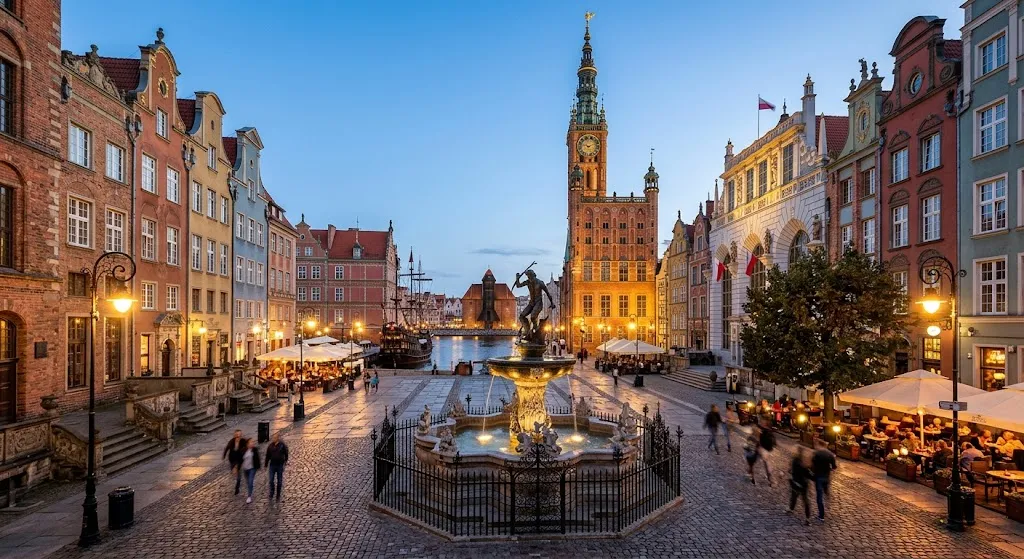
Located on the Baltic coast, Gdańsk is known for its colorful historic buildings, maritime heritage, and important role in European history.
The Long Market is the heart of the historic center, featuring beautifully restored façades, the famous Neptune’s Fountain, and the impressive Artus Court.
History enthusiasts can visit the European Solidarity Centre, which explores the Solidarity movement and its contribution to the fall of communism in Eastern Europe. The Museum of the Second World War is another major attraction.
Gdańsk also offers access to beautiful Baltic beaches and the neighboring resort town of Sopot, making it a versatile destination for different types of travelers.
Why visit: Beautiful architecture, important historical attractions, seaside experiences, and a distinctive northern European atmosphere.
9. Mostar, Bosnia and Herzegovina
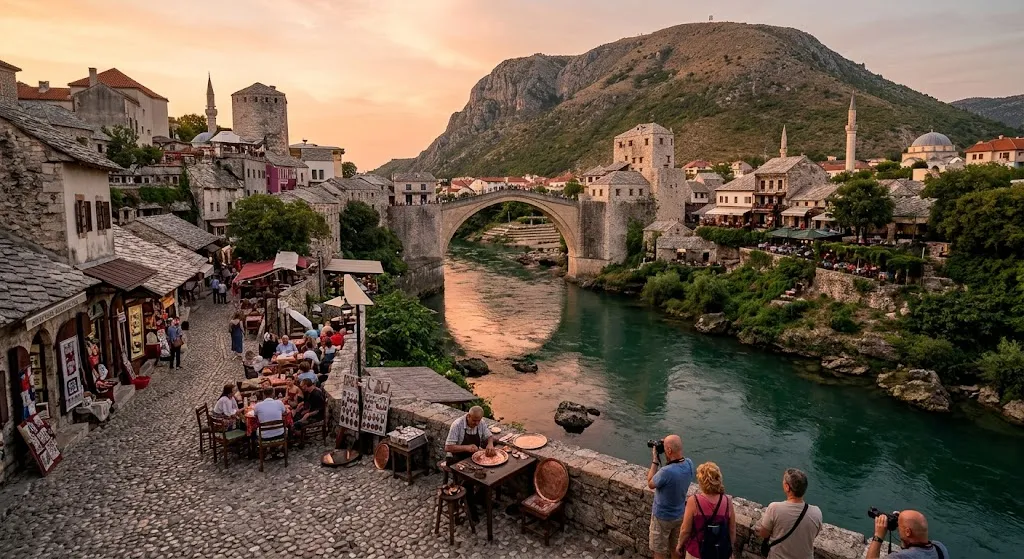
Mostar is one of the most visually striking cities in the Balkans, famous for its historic stone bridge and beautiful riverside setting.
The iconic Stari Most, or Old Bridge, is the city’s defining landmark. Originally built during the Ottoman period in the 16th century, it was destroyed during the conflict in the 1990s and subsequently reconstructed. Today, it stands as a symbol of resilience and reconciliation.
The surrounding Old Town features traditional stone buildings, small craft shops, restaurants, and winding streets overlooking the emerald-green Neretva River.
Mostar is also an excellent starting point for exploring the surrounding region. The nearby Kravica Waterfalls and the historic town of Blagaj are popular excursions.
Why visit: Iconic architecture, dramatic natural scenery, rich cultural heritage, and a distinctive atmosphere.
10. Sibiu, Romania
Sibiu is a charming Transylvanian city that deserves far more attention from international travelers.
Its historic center is famous for colorful buildings, cobblestone streets, impressive squares, and unusual rooftops featuring small window-like openings often described as the city’s watching eyes.
The Great Square and Small Square form the heart of the old town, surrounded by historic buildings, restaurants, and cafés. The Bridge of Lies is another popular landmark, connected to local legends and folklore.

Sibiu also offers access to the beautiful landscapes of the Carpathian Mountains and traditional villages throughout Transylvania.
The city is particularly attractive for travelers who enjoy history, photography, traditional architecture, and a slower pace of travel.
Why visit: Fairytale-like streets, Transylvanian heritage, beautiful architecture, and access to mountain scenery.
11. Tallinn, Estonia
Tallinn offers a fascinating combination of medieval charm and contemporary European culture.
Its Old Town is one of the best-preserved medieval city centers in Europe and is recognized as a UNESCO World Heritage Site.
Visitors can explore the historic Town Hall Square, walk along the old defensive walls, and discover the impressive Alexander Nevsky Cathedral. The city’s elevated viewpoints provide beautiful panoramas over red rooftops and church towers.
Beyond its medieval center, Tallinn has a modern creative side. The Telliskivi Creative City district is filled with independent shops, restaurants, art spaces, and cultural venues.

Tallinn is an especially appealing destination for travelers interested in history, design, technology, and northern European culture.
Why visit: Medieval architecture, contemporary creativity, and a distinctive Baltic atmosphere.
12. Valletta, Malta
Despite Malta’s popularity as a Mediterranean holiday destination, its capital, Valletta, is sometimes overlooked as a destination in its own right.
This small fortified city is packed with history, impressive architecture, and spectacular harbor views.
Valletta was built by the Knights of St. John in the 16th century and is now a UNESCO World Heritage Site. Its limestone buildings, elegant balconies, narrow streets, and historic churches create a distinctive atmosphere.
St. John’s Co-Cathedral is one of the city’s most important attractions, featuring an elaborate interior and a famous painting by Caravaggio.
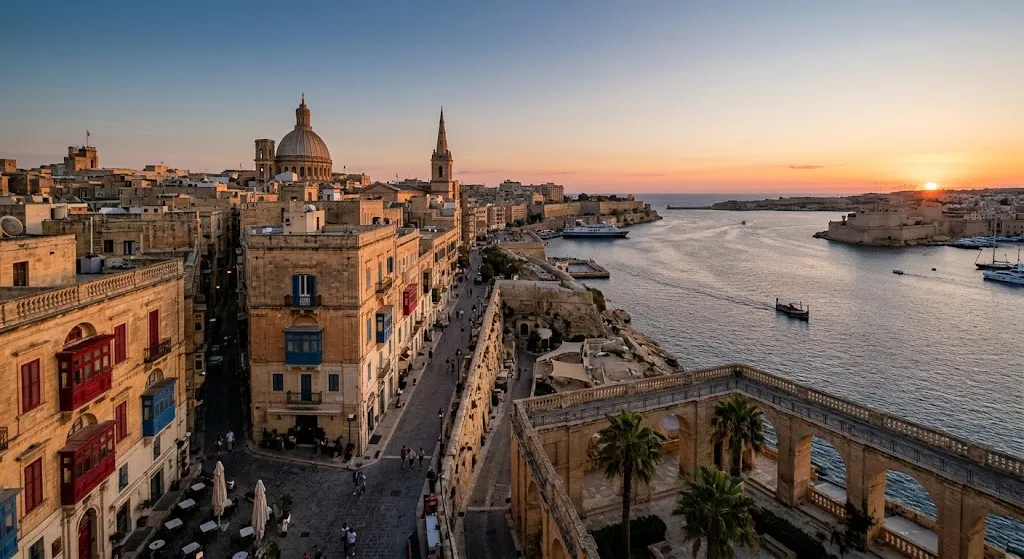
The Upper Barrakka Gardens offer beautiful views of the Grand Harbour, while the city’s restaurants and cafés provide an excellent opportunity to experience Maltese cuisine.
Why visit: Mediterranean sunshine, fascinating history, impressive architecture, and beautiful harbor scenery.
Tips for Exploring Europe’s Underrated Cities
Discovering lesser-known destinations can make European travel more rewarding, but a little planning can help you get the most out of each visit.
Travel outside peak season. Spring and early autumn are often excellent times to explore European cities. The weather is generally pleasant, accommodation can be more affordable, and major attractions are often less crowded.
Explore beyond the main attractions. Historic squares and famous landmarks are worth visiting, but some of the best experiences come from walking through residential neighborhoods, visiting local markets, and discovering independent cafés.
Use public transportation. Many European cities have reliable buses, trams, and train connections. Public transportation can make it easier to explore surrounding towns and attractions without renting a car.
Try traditional food. Local cuisine is an important part of understanding a destination. From Bosnian ćevapi to Bulgarian banitsa and Portuguese seafood, regional dishes often provide some of the most memorable travel experiences.
Allow enough time. Avoid trying to visit too many cities in a short period. Spending two or three days in one destination allows you to experience its atmosphere rather than simply checking off landmarks.
Final Thoughts
Europe’s most memorable travel experiences are not always found in its most famous cities. Sometimes, the most rewarding destinations are those that remain just outside the usual tourist itineraries.
From Ljubljana’s relaxed riverside atmosphere and Ghent’s medieval architecture to Sarajevo’s cultural diversity and Sibiu’s charming historic streets, these underrated European cities offer something genuinely special.
They provide opportunities to discover different traditions, enjoy regional cuisine, explore fascinating history, and experience everyday European life at a more comfortable pace.
The next time you plan a European getaway, consider looking beyond the familiar destinations. You might discover that the city you knew the least about becomes the place you remember the most.
Frequently Asked Questions
Some of Europe’s most underrated cities include Ljubljana, Ghent, Plovdiv, Sarajevo, Brno, Sibiu, and Gdańsk. Each offers unique architecture, cultural attractions, and memorable local experiences.
Plovdiv, Sarajevo, Mostar, and Sibiu are generally more budget-friendly than major Western European destinations, offering affordable accommodation, dining, and sightseeing.
Spring (April to June) and early autumn (September to October) are excellent times to visit, thanks to pleasant weather and generally fewer crowds.
Sarajevo, Plovdiv, Ghent, Mostar, and Tallinn are excellent choices for travelers interested in medieval architecture, ancient civilizations, and European history.
Two to three days are usually enough to explore the main attractions, enjoy local cuisine, and experience the city’s atmosphere without rushing.
Sources
- UNESCO World Heritage Centre – European World Heritage Sites
- European Travel Commission – European Tourism Insights
- Lonely Planet – European City Travel Guides
- Encyclopaedia Britannica – European Cities and History
- National Geographic Travel – European Destinations
- Official Tourism Websites of Slovenia, Bulgaria, Bosnia and Herzegovina, Poland, Romania, and Estonia