
Portugal may be one of Europe’s smaller countries, but it offers an impressive variety of destinations. From the historic streets of Lisbon and the colorful riverside neighborhoods of Porto to medieval towns, coastal escapes, and peaceful northern cities, there is something for every type of traveler.
Some visitors come for the beaches and sunshine, while others are drawn to Portugal’s architecture, food, wine, and centuries of history. Beyond its best-known destinations, the country also has smaller cities and towns where traditional Portuguese life remains part of everyday experience.
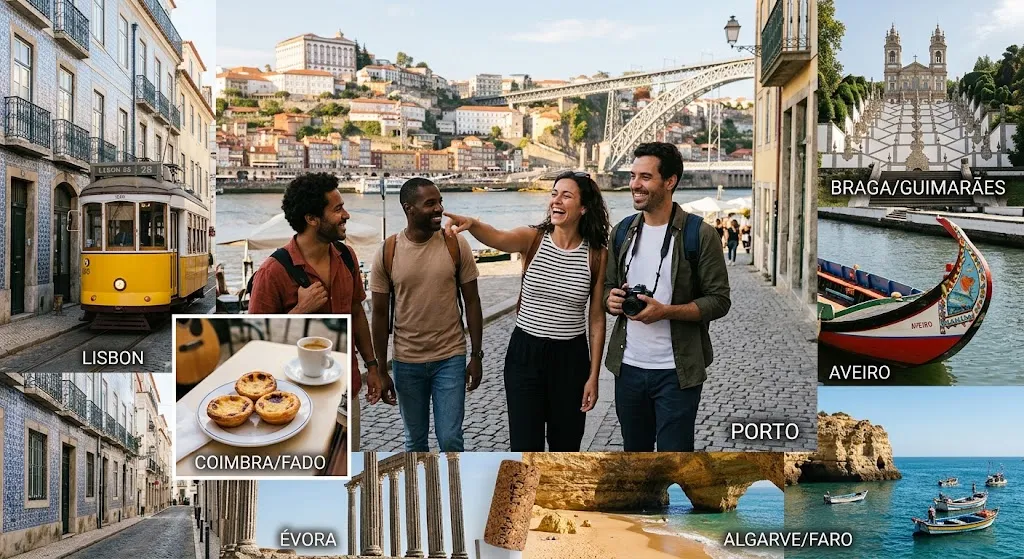
Whether you are planning your first trip or returning to explore somewhere new, these are some of the best cities to visit in Portugal.
1. Lisbon: The Perfect Starting Point
Portugal’s capital is an essential stop for anyone visiting the country for the first time. Lisbon combines historic architecture, lively neighborhoods, beautiful viewpoints, and a relaxed atmosphere that makes it easy to spend several days exploring.
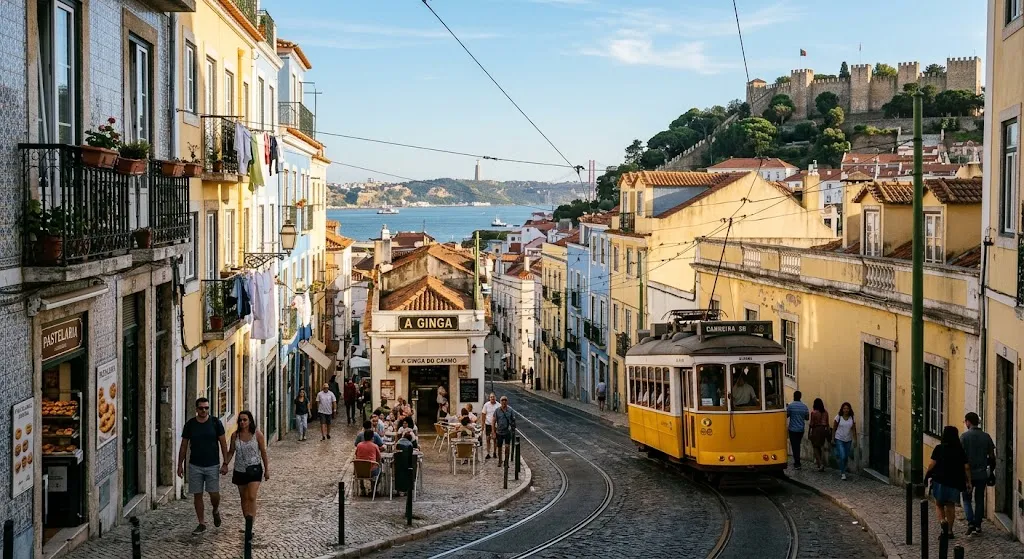
Start in Alfama, one of the city’s oldest districts, where narrow streets, traditional houses, and small restaurants create a distinctive atmosphere. Visit São Jorge Castle for panoramic views over the city, and take time to explore Praça do Comércio, one of Lisbon’s most recognizable squares.
The Belém district is another highlight, particularly for the Jerónimos Monastery and Belém Tower. Food lovers should also try pastéis de nata, Portugal’s famous custard tarts.
Lisbon is an excellent base for day trips to Sintra, Cascais, and other nearby destinations.
2. Porto: Riverside Beauty and Portuguese Culture
Porto, in northern Portugal, is famous for its historic center, colorful buildings, and spectacular location along the Douro River.
The Ribeira district is one of the city’s most charming areas, with traditional houses overlooking the water and restaurants lining the riverside. Cross the Dom Luís I Bridge for beautiful views, and visit the historic São Bento railway station to admire its impressive blue-and-white tile panels.
Porto is also closely associated with port wine. Across the river in Vila Nova de Gaia, visitors can tour traditional wine cellars and learn about the region’s winemaking history.
Do not leave without trying a francesinha, a rich local sandwich that has become one of Porto’s signature dishes.
3. Braga: Historic Charm and Religious Heritage
Braga is one of Portugal’s oldest cities and an excellent destination for travelers interested in history, architecture, and traditional culture.
Known as one of the country’s most important religious centers, Braga has beautiful churches, historic squares, and a lively city center. Its most famous attraction is the Sanctuary of Bom Jesus do Monte, a remarkable religious complex reached by an impressive Baroque staircase.
The historic center is pleasant to explore on foot, with cafés, gardens, and centuries-old buildings. Braga also has a youthful atmosphere thanks to its university population.
For travelers looking beyond Lisbon and Porto, Braga offers a rewarding combination of history and everyday Portuguese life.
4. Guimarães: The Birthplace of Portugal
Guimarães holds a special place in Portuguese history and is often called the birthplace of Portugal. It is closely associated with the country’s first king, Afonso Henriques.
Its historic center is a UNESCO World Heritage Site, featuring medieval streets, traditional stone houses, and charming squares. Guimarães Castle and the Palace of the Dukes of Braganza are among its most important landmarks.
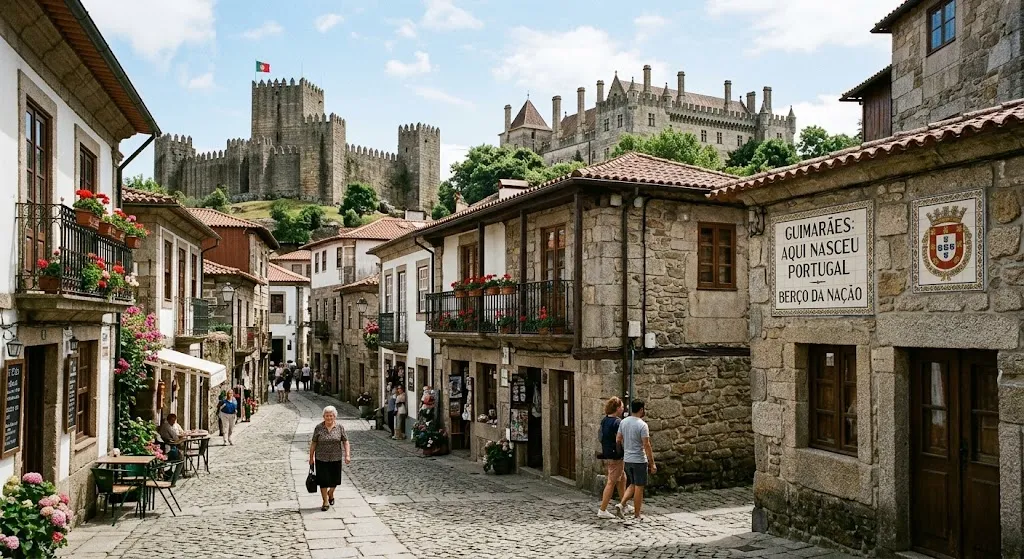
The city’s historic atmosphere makes it particularly appealing to visitors who enjoy walking through old neighborhoods and discovering the stories behind historic buildings.
Guimarães is also an easy day trip from Porto, although spending a night allows visitors to experience its quieter atmosphere.
5. Coimbra: A City Shaped by Education and History
Coimbra is best known for its prestigious university, one of the oldest continuously operating universities in Europe.
The University of Coimbra is the city’s main attraction, especially its magnificent Joanina Library, which is famous for its elaborate Baroque interior. The university complex also offers beautiful views over the Mondego River and the surrounding city.
Coimbra has a distinctive atmosphere, with steep streets, historic buildings, traditional student traditions, and cafés filled with local life.
Visitors interested in Portuguese music can also discover Coimbra’s traditional style of fado, which differs from the better-known Lisbon variety.
6. Aveiro: Portugal’s Colorful Canal City
Often called the Venice of Portugal, Aveiro is known for its canals, elegant bridges, and colorful moliceiro boats.
Although smaller than Lisbon or Porto, Aveiro offers plenty of charm. Visitors can take a boat ride through the canals, admire the Art Nouveau architecture, and explore the central streets filled with cafés and shops.
The city is also famous for ovos moles, a traditional Portuguese sweet made with egg yolks and sugar.
Nearby Costa Nova is worth visiting for its striped seaside houses and beautiful Atlantic coastline. Aveiro is an excellent choice for a relaxed day trip or a short stay.
7. Viana do Castelo: Northern Portugal’s Coastal Gem
Viana do Castelo is one of northern Portugal’s most attractive coastal destinations, combining traditional architecture, maritime heritage, and beautiful natural scenery.
The city’s historic center features elegant squares, old churches, and traditional Portuguese buildings. One of its most recognizable landmarks is the Sanctuary of Santa Luzia, located on a hill overlooking the city, the Lima River, and the Atlantic Ocean.

The views from the sanctuary are particularly impressive, making it one of the region’s most memorable stops.
Viana do Castelo is also known for its traditional festivals, colorful regional costumes, and strong connection to Portuguese maritime culture.
8. Évora: A Journey Through Portugal’s Past
Located in the Alentejo region, Évora is one of Portugal’s most historically significant cities.
Its UNESCO-listed historic center contains Roman, medieval, and Renaissance landmarks. The Roman Temple of Évora is among the city’s most recognizable attractions, while the Cathedral of Évora offers impressive architecture and panoramic views.
Another unusual landmark is the Chapel of Bones, decorated with human bones and skulls, which offers a thought-provoking glimpse into historical attitudes toward life and death.
Évora is also an excellent destination for discovering Alentejo cuisine, regional wines, olive oil, and the peaceful landscapes of southern Portugal.
9. Faro: A Gateway to the Algarve
Faro is the capital of the Algarve and a convenient starting point for exploring southern Portugal.
While many travelers pass through on their way to beach resorts, the city deserves more attention. Its historic center, known as Cidade Velha, features cobbled streets, traditional houses, and a beautiful cathedral surrounded by old city walls.
Faro is also close to the Ria Formosa Natural Park, a protected coastal lagoon system with islands, wetlands, and diverse birdlife.
Boat trips, seafood restaurants, and nearby beaches make Faro a good choice for travelers who want a combination of city sightseeing and coastal relaxation.
10. Lagos: Beaches, Cliffs, and Coastal Adventures
Lagos is one of the Algarve’s most popular destinations, known for its dramatic coastline and beautiful beaches.
The town combines a charming historic center with a lively seaside atmosphere. Its cobbled streets are filled with restaurants, small shops, and cafés, while the nearby coastline offers some of Portugal’s most impressive natural scenery.
Ponta da Piedade is a major highlight, featuring golden cliffs, sea caves, and unusual rock formations. Visitors can explore the area by boat, kayak, or along coastal walking paths.

Lagos is particularly appealing to travelers who want to combine beach time with outdoor activities and historic sightseeing.
11. Tavira: Traditional Algarve at a Slower Pace
For a quieter alternative to the Algarve’s busier resort towns, Tavira is an excellent choice.
Located along the Gilão River, Tavira is known for its traditional architecture, historic churches, and charming old town. Its Roman Bridge is one of the city’s most recognizable landmarks.
The atmosphere is noticeably more relaxed than in some of the Algarve’s larger tourist destinations. Visitors can enjoy riverside cafés, explore local markets, and take short boat trips to nearby beaches on Ilha de Tavira.
Tavira is ideal for travelers who appreciate authentic surroundings and a slower holiday pace.
12. Vila Real: An Underrated Northern Destination
Vila Real is a lesser-known city in northern Portugal that offers a different perspective on the country.
Surrounded by the landscapes of the Trás-os-Montes and Douro regions, it provides access to beautiful countryside, historic estates, and traditional villages.

One of its most important attractions is the Mateus Palace, famous for its elaborate Baroque architecture and beautifully maintained gardens.
Vila Real is also a useful base for exploring the Douro wine region, where terraced vineyards follow the hillsides along the river.
For travelers who want to move beyond Portugal’s main tourist destinations, Vila Real offers a rewarding experience.
13. Lamego: Wine Country and Historic Landmarks
Lamego is another attractive northern destination, particularly for travelers interested in Portuguese history, architecture, and wine culture.
The city is famous for the Sanctuary of Nossa Senhora dos Remédios, which stands above the town at the top of a monumental staircase decorated with fountains and traditional blue-and-white tiles.
Lamego also has a historic cathedral, an old castle, and a pleasant central area with traditional cafés and restaurants.
Its location makes it an excellent stop when exploring the Douro Valley, one of Portugal’s most celebrated wine-producing regions.
14. Tomar: The Legacy of the Knights Templar
Tomar is one of Portugal’s most fascinating historic destinations, particularly for visitors interested in medieval history.
The city is closely associated with the Knights Templar and their legacy in Portugal. Its most important attraction is the Convent of Christ, a UNESCO World Heritage Site that includes a remarkable combination of medieval, Gothic, and Manueline architecture.
Tomar also has a picturesque historic center, pleasant riverside areas, and traditional cafés.
Although it is not as frequently visited as Lisbon or Porto, Tomar offers an impressive cultural experience and is well worth including in a longer Portuguese itinerary.
15. Bragança: Discover Portugal’s Remote Northeast
Bragança is one of Portugal’s most underrated northern cities, located near the Spanish border.
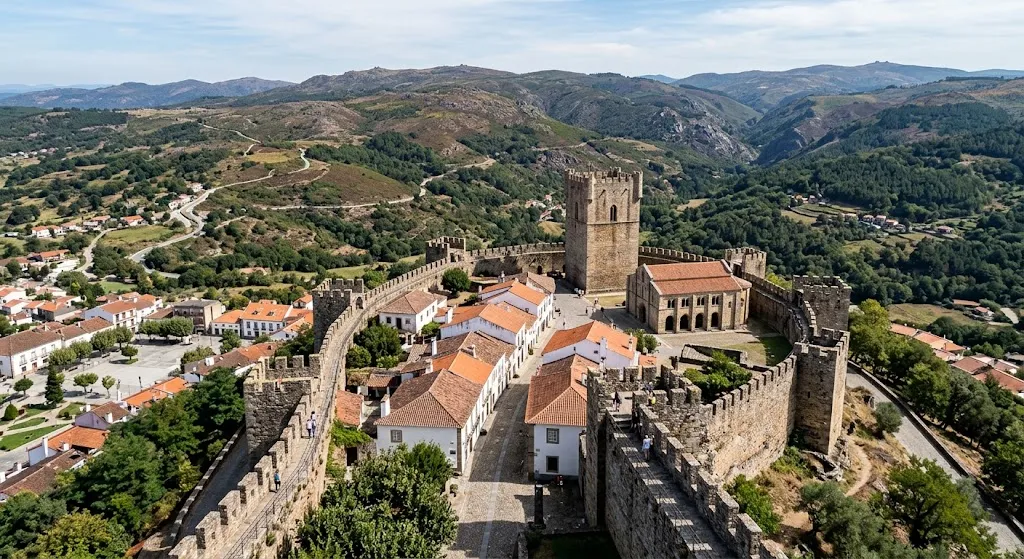
Its medieval citadel is the main attraction, with historic walls, narrow streets, and a distinctive castle overlooking the surrounding landscape. The Domus Municipalis, a rare medieval civic building, is another important landmark.
Bragança is also an excellent destination for exploring the Montesinho Natural Park, known for its mountains, traditional villages, forests, and wildlife.
The city offers a quieter and more traditional side of Portugal, making it especially appealing to travelers who enjoy nature and cultural discovery.
When Is the Best Time to Visit Portugal?
Portugal is a year-round destination, but the best time to visit depends on your travel plans.
Spring, particularly April through June, is one of the most pleasant periods for sightseeing. Temperatures are generally comfortable, landscapes are green, and major destinations are usually less crowded than during peak summer.
September and October are also excellent months. The weather often remains warm, particularly in the Algarve, while summer crowds begin to decrease.
July and August are ideal for beach holidays, although popular destinations such as Lisbon, Porto, and Lagos can become busy. Summer temperatures can also be quite high in inland areas such as Évora.
Winter is generally mild along the coast, making it suitable for city breaks, although northern Portugal can be rainy and cooler.
Practical Tips for Planning Your Trip to Portugal
Planning a trip to Portugal is relatively easy, but choosing the right destinations, accommodation, and transportation can make your experience more enjoyable. For a first visit, allow at least 7 to 10 days to explore Lisbon, Porto, and a few nearby cities, while a two-week trip gives you enough time to discover the Algarve, the Douro Valley, and smaller northern towns.
Spring (April to June) and early autumn (September and October) are particularly good times to visit, offering pleasant temperatures and fewer crowds than the peak summer season. Book accommodation and popular train journeys in advance, especially during July and August.
Trains are a convenient way to travel between major cities such as Lisbon, Coimbra, and Porto, while renting a car provides more flexibility for exploring rural areas and smaller destinations. Comfortable walking shoes are essential because many Portuguese cities have steep hills, cobblestone streets, and uneven pavements.
Portugal uses the euro, and card payments are widely accepted, although carrying some cash is useful for smaller cafés and traditional markets. When dining, try local specialties such as bacalhau, grilled sardines, caldo verde, and pastéis de nata. It is also worth checking restaurant opening hours, as smaller establishments may close between lunch and dinner.
Finally, keep your belongings secure in crowded tourist areas and check parking arrangements if you plan to rent a car, particularly when staying in historic city centers.
How to Travel Between Portuguese Cities
Portugal has a relatively convenient transportation network, making it possible to explore several destinations during one trip.
Trains are a practical option for traveling between major cities such as Lisbon, Porto, Coimbra, and Braga. Regional trains also connect smaller destinations, although journeys may take longer.
Buses can be useful for reaching places with limited railway connections. For travelers interested in exploring the Douro Valley, smaller northern towns, or rural areas, renting a car offers greater flexibility.
Lisbon and Porto also have international airports, making them convenient starting points for a Portuguese holiday.
For a first visit, a combination of Lisbon, Coimbra, and Porto offers an excellent introduction to the country. Travelers with more time can continue north to Braga and Guimarães or head south toward Évora and the Algarve.
Final Thoughts: Which Portuguese Cities Should You Visit?
Portugal offers much more than its famous capital and coastal resorts. Lisbon and Porto are essential destinations for first-time visitors, but cities such as Braga, Guimarães, Coimbra, and Viana do Castelo reveal another side of the country’s history and culture.
The southern destinations offer beautiful beaches, warm weather, and relaxed coastal living, while northern Portugal rewards travelers with medieval towns, wine regions, and less crowded historic centers.
Whether you prefer lively cities, traditional villages, architectural landmarks, or peaceful landscapes, Portugal has plenty of places worth discovering. The best itinerary is often one that combines its famous attractions with a few lesser-known destinations that make the journey even more memorable.



One thought on “Best Cities to Visit in Portugal: From Lisbon to Underrated Northern Towns”